
Mastering Price Action Trading: The Ultimate Guide for Consistent Profits
Learn how to master price action trading with this complete guide. Discover strategies, psychology, and techniques used by professional traders worldwide.

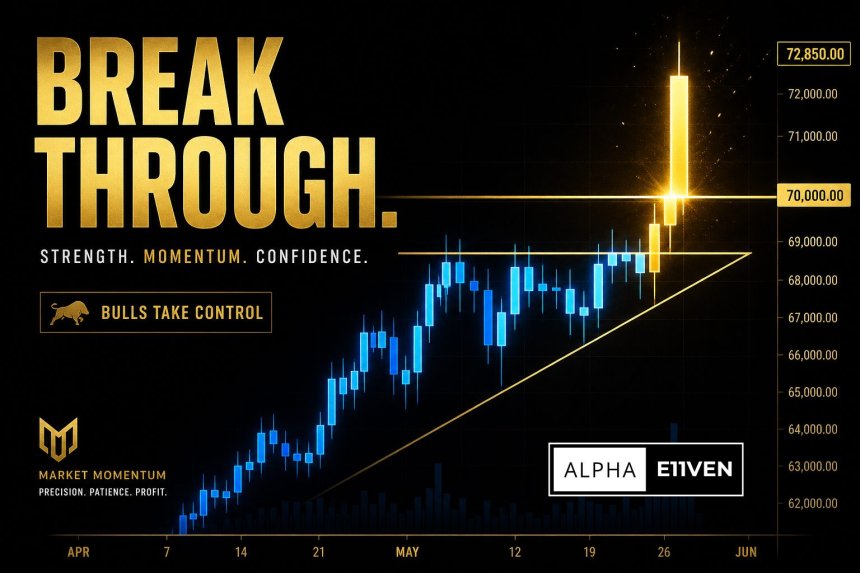
Introduction: Why Price Action Still Dominates
In a world flooded with indicators, algorithms, and automated strategies, one approach continues to stand undefeated: price action trading. It strips away the noise and focuses on the one thing that truly matters—the movement of price itself.
Price action isn’t just a strategy. It’s a language. A real-time story of supply and demand, fear and greed, winners and losers—all unfolding on your chart.
Traders who master it don’t chase the market. They understand it.
What Is Price Action, Really?
At its core, price action is the study of how price moves over time—without relying heavily on indicators. Instead of lagging signals, traders analyze raw data:
- Candlestick formations
- Market structure (higher highs, lower lows)
- Support and resistance zones
- Breakouts and false breakouts
It’s trading in its purest form—reading behavior instead of reacting to calculations.
The Psychology Behind Every Candle
Every candlestick tells a story:
- A long bullish candle? Aggressive buyers in control.
- A rejection wick? Smart money testing and rejecting levels.
- Consolidation? Market indecision before expansion.
Understanding price action means understanding market psychology. You’re not just looking at charts—you’re observing human behavior at scale.
Core Principles of Price Action Trading
1. Market Structure Is King
Before anything else, identify the trend:
- Uptrend: Higher highs and higher lows
- Downtrend: Lower highs and lower lows
- Range: Sideways movement between key levels
Structure gives context. Without it, every trade is a guess.
2. Support and Resistance Are Decision Zones
These are the battlegrounds where buyers and sellers clash. Price doesn’t move randomly—it reacts to these levels repeatedly.
Strong traders don’t predict. They wait for price to react at key zones, then act with confirmation.
3. Candlestick Patterns Are Clues, Not Signals
Pin bars, engulfing candles, inside bars—these are not magic triggers. They are clues that reveal intent.
The edge comes from combining:
- Location (key level)
- Context (trend or range)
- Confirmation (price behavior)
4. Less Is More
The biggest mistake traders make? Overcomplication.
Price action thrives on simplicity:
- Clean charts
- Clear levels
- Patience
The fewer distractions, the sharper your decisions.
Why Price Action Gives You an Edge
It’s Universal
Works across all markets—forex, stocks, crypto, commodities.
It’s Timeless
Indicators evolve. Price action doesn’t.
It’s Leading, Not Lagging
Indicators tell you what has happened. Price action shows you what is happening.
A Simple Price Action Strategy (That Actually Works)
The Break-and-Retest Setup:
- Identify a strong support or resistance level
- Wait for a breakout with momentum
- Watch for a pullback (retest of the level)
- Enter when price confirms continuation
Why it works: It aligns with how institutions accumulate positions—on pullbacks, not breakouts.
Common Mistakes to Avoid
- Trading every candlestick pattern blindly
- Ignoring market structure
- Entering without confirmation
- Overtrading due to impatience
- Adding too many indicators (defeats the purpose)
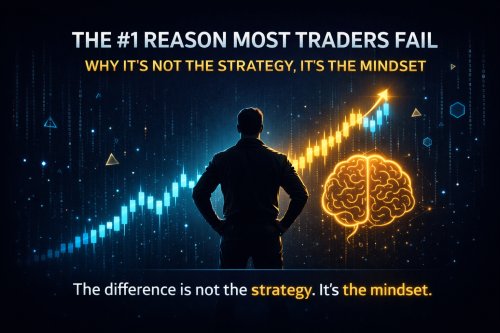
The Mindset Shift: From Prediction to Reaction
The biggest transformation in a trader’s journey is this:
Stop trying to predict the market.
Start reacting to what it shows you.
Price action rewards patience, discipline, and clarity—not impulse.
Final Thoughts: The Art Within the Science
Price action trading sits at the intersection of logic and intuition. It’s structured, yet flexible. Simple, yet deeply sophisticated.
Anyone can learn indicators.
Few truly learn to read price.
And those who do? They don’t just trade the market.
They understand it.
Share
What's Your Reaction?
 Like
2
Like
2
 Dislike
0
Dislike
0
 Love
0
Love
0
 Funny
0
Funny
0
 Angry
0
Angry
0
 Sad
0
Sad
0
 Wow
0
Wow
0










People underestimate this strategy thanks a lot for bringing it here this time, only if new or beginner traders knew how effective this strategy is 💯💯💯
😊wow am happy you show the depth 🫡
This so informative especially for a beginner 👏🏽
I really like how you are so professional so proud of you Alpha🥰
🫡thanks lot